Key State Pension Payment Collections
Anúncios
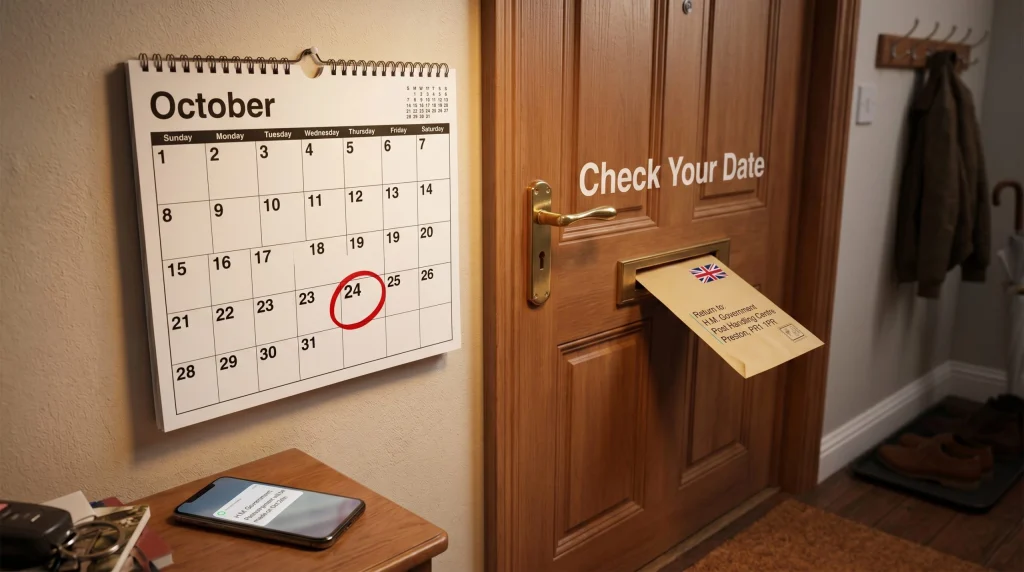
State Pension payment dates in the United Kingdom are a key reference for organizing your budget, avoiding delays, and planning essential expenses.
Many people expect a monthly deposit, but this payment usually works every four weeks, not always on the same calendar date.
Anúncios
Why payment dates matter
The payment calendar can affect simple decisions, such as when to pay bank fees, renew insurance, or set money aside for savings. A miscalculated date can lead to charges, credit interest, or a lack of balance right before receiving the deposit.
It also affects households that combine pension income, Pension Credit, or other benefits, because each income source may follow different rules. Having a clear overview reduces stress, improves digital banking, and helps protect the budget against unexpected expenses.
Anúncios
See also
- Préstamos para Comprar un Auto Usado: Guía Completa
- Qué Hacer si un Cobrador de Deudas te Contacta
- Cómo Funciona el Refinanciamiento de Deudas
- Préstamos para Autónomos: Requisitos y Opciones
- Cómo Salir del Sobreendeudamiento Paso a Paso
How the payment day is determined
The payment day depends on the last two digits of the National Insurance number, according to the rule published by GOV.UK. Numbers from 00 to 19 are paid on Monday, 20 to 39 on Tuesday, 40 to 59 on Wednesday, 60 to 79 on Thursday, and 80 to 99 on Friday.
This does not mean that everyone is paid in the same week, because the cycle is usually every four weeks. The pension confirmation letter shows the specific pattern, the registered account, and any important details needed to verify identity or personal information.
Payments every four weeks, not monthly
An important difference is that the income usually arrives every four weeks, which creates thirteen payments a year rather than twelve exact monthly payments. This may seem small, but it changes the way loans, cards, bills, and family savings are organized.
In some months, you may receive two deposits, while in others the payment may feel farther away. To avoid mistakes, it is useful to use a calendar, activate digital banking alerts, and set aside a reserve for essential expenses between cycles.
What happens if there is a bank holiday
When the normal payment day falls on a weekend or bank holiday, the deposit is usually brought forward to the previous working day. This rule helps the money arrive earlier, but it can also create a longer wait until the next payment.
That is why it is not wise to spend all the income just because it arrived earlier than usual. The safest approach is to calculate the next cycle, review automatic charges, and confirm that there are no pending fees in the bank account.
First payment after claiming
After applying for the pension, the first payment may take up to five weeks from the chosen start date. After that, the system moves to the regular four-week cycle, with deposits made into the account provided when making the claim.
In some cases, part of the payment may arrive before the first full deposit, depending on what is explained in the official letter. Reading that letter helps avoid confusion, protects your data, and makes it easier to detect possible errors or fraud attempts.
How to check your National Insurance number
To identify the payment day, look at the last two numbers of your National Insurance number and compare them with the official table. This detail usually appears on tax documents, DWP letters, government accounts, or communications related to credit history and benefits.
Do not share that number through insecure messages, suspicious calls, or links received without verification. Data protection is essential, because fraudsters often use personal information to try to access payments, credit, or bank accounts.
How to organize money between payments
Since the income does not work exactly like a monthly salary, it is best to divide it by week and set aside mandatory expenses first. Rent, energy, insurance, food, transport, loans, and cards should be covered before thinking about non-essential purchases.
A simple strategy is to create digital envelopes within the account or use a banking app to classify categories. This way, you can reserve money for bills, keep a minimum amount of savings, and avoid overdraft charges or unexpected fees.

Pension payment dates
Quick access to understand your payment day, bank holidays, and how to plan your money between deposits.
See nowWhat to do if the payment does not appear
If the money does not arrive on the expected date, first check whether there was a bank holiday, weekend, or account change. Then review your bank transactions, digital banking notifications, and any recent letter sent by the Pension Service.
If you cannot find an explanation, contact the office responsible for the payment using official channels. Avoid providing data through unknown links, because financial scams often take advantage of real delays to request fake identity verification.

Common mistakes when calculating the date
A common mistake is thinking that the deposit will arrive on the same day every month, when in reality the cycle usually moves by weeks. Another common error is forgetting that an early payment due to a holiday does not necessarily bring the next cycle forward.
There may also be confusion when combining pension income with other benefits, since Universal Credit, Pension Credit, or different types of support may have their own calendars. Separating each income source in a simple note makes control easier and helps avoid impulsive financial decisions.
Tips to avoid banking problems
Set up deposit alerts, review automatic payments, and keep a small reserve for days with timing differences. This practice reduces the risk of overdraft interest, card delays, loan charges, or cancellations of important insurance policies.
It is also useful to review fees, update contact details, and confirm that the registered account is still active. If you change banks, inform the relevant service in time so the payment is not delayed due to outdated information.